


Cow-Associated Alga Found in Bottlenose Dolphin for the First Time
Japanese scientists have, for the first time, identified the microscopic alga Prototheca bovis in the digestive system of a dolphin, which until now had been almost exclusively associated with diseases in cows and humans.
The authors of the study titled “First isolation of Prototheca bovis from a bottlenose dolphin (Tursiops truncatus)” are Chika Shirakata, Kanon Tsurumi, Koichi Makimura, and Rui Kano. “Little is known about the pathogenicity of Prototheca in marine animals. To our knowledge, this is the first report of Prototheca sp. isolated from the digestive tract of a dolphin,” the authors wrote in the study.
A 13-year-old female dolphin showed only mild signs of sickness
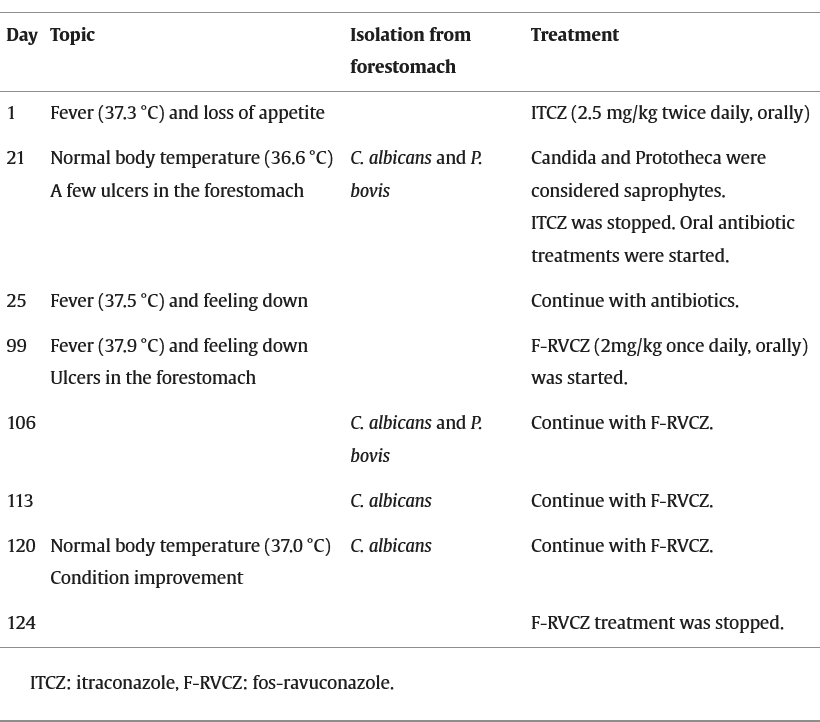
The discovery at Japan’s Enoshima Aquarium involved a 13-year-old female dolphin that showed only mild signs of sickness: slightly elevated body temperature and changes in stomach contents. Initially, the researchers suspected a fungal infection, but examination revealed cobblestone-like thickening of the mucosa with a few ulcers in the forestomach, and a biopsy sample from the forestomach surface confirmed the presence of the alga Prototheca bovis.
P. bovis is widely distributed in the environment, particularly in water and soil, but rarely causes disease. When it does, the consequences can be serious. In cows, for example, it is known to cause severe mastitis, while in humans it can lead to skin infections. However, it has never been documented in dolphins before.
How did the algae end up in the dolphin’s stomach?
As they explained, P. bovis was present in the seawater but was not highly pathogenic for dolphins. “We speculated that the opportunistic infection resulted from candidiasis treatment and compromised immunity.” She gradually recovered following the treatment and was back to normal.
Since Prototheca spp. survive well in aquatic environments, infection in marine mammals, such as dolphins, could occur through skin wounds or oral ingestion of seawater. According to the study, the ecology and spread of Prototheca in marine environments, as well as the epidemiology in marine mammals, have not yet been sufficiently investigated. Therefore, the scientists point out the importance of further research on protothecosis in marine mammals, particularly within the framework of the One Health approach.
Image: Dolphin, Pexeles.com
