

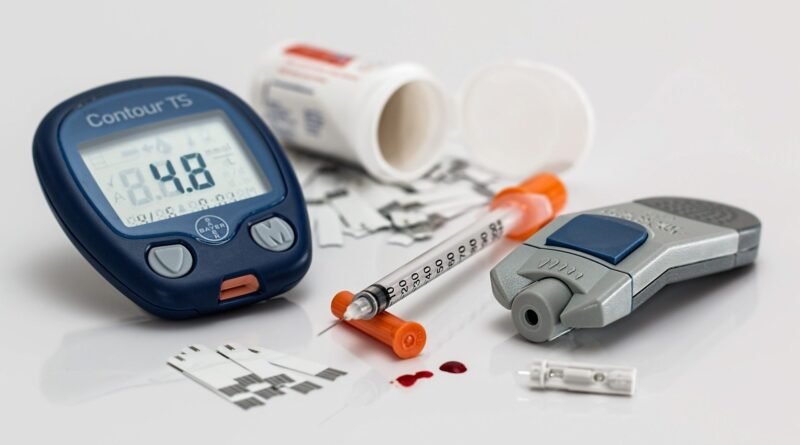
Japanese Research Links Ozempic, Food, Emotions, and Diabetes
Type 2 diabetes is one of the biggest health threats facing humanity today. In Japan, a country known for its long-lived population, an estimated 11 million people live with the condition. In 2008, the Japanese Ministry of Health, Labour and Welfare introduced a national health screening and intervention program specifically targeting metabolic syndrome. That same year, in June 2008, clinical trials of semaglutide, the active ingredient in Ozempic, began in 14 countries. Ozempic helps stabilize blood glucose levels, promotes weight loss, and reduces the risk of complications in people with type 2 diabetes.
The journey from clinical trials to market availability can be long, but the question arises: what happens once a drug becomes available? Can it be enough on its own to reduce body weight and improve quality of life? Or are the smell of food and emotions sometimes more powerful than the drug itself?
Those who practice emotional eating are less likely to experience significant weight loss
Japanese researchers tried to answer this question by following 92 patients with type 2 diabetes for one year, and they presented the results in a study, “Association between eating behavior patterns and the therapeutic efficacy of GLP-1 receptor agonists in individuals with type 2 diabetes: a multicenter prospective observational study.”. GLP-1 receptor agonists, such as Ozempic, mimic the naturally occurring GLP-1 hormone released by the gastrointestinal tract in response to food. In people with type 2 diabetes, the GLP-1 response is often reduced or less effective. The study showed that among individuals taking Ozempic, emotional eating may prevent them from maintaining weight loss and fully feeling the benefits of the medication.
As Professor Daisuke Yabe of Kyoto University, senior author of the article, told us, the study highlights how stress and emotional overeating can shape health behaviors in people with diabetes.
In addition to basic clinical parameters such as body weight, blood glucose levels, body fat percentage, and cholesterol levels, the researchers were also interested in how the patients relate to food. In other words, to what extent do emotional overeating, sensitivity to external cues such as the smell or appearance of food, or conscious control of eating to maintain weight affect treatment outcomes? The observational study was conducted at four institutions in Gifu Prefecture (Gifu University Hospital, Matsunami General Hospital, Gifu Prefectural General Medical Center, and Gifu Municipal Hospital). This region in central Japan is known for its mountainous landscapes and rivers, and for physics enthusiasts, the nearby Super-Kamiokande Observatory is also worth noting.
Participants were assessed at the start of the study, after three months, and after twelve months, during which data on the aforementioned clinical parameters, food intake, and eating habits were collected. Eating habits were evaluated using the Food Frequency Questionnaire and the DEBQ-J, a Japanese version of the Dutch Eating Behavior Questionnaire, which measures three types of eating behavior. The DEBQ-J consists of 33 items categorized into external eating, emotional eating, and restrained eating. Responses were rated on a 5-point scale (1 = “never” to 5 = “very often”), with higher scores indicating stronger tendencies toward the respective eating behaviors. As noted in the study, twenty-two participants did not have DEBQ-J data at 12 months; therefore, the analysis was conducted with 70 participants.
Over the course of a year, almost all study participants lost weight, reduced body fat, and improved cholesterol levels, but emotions made a difference for some participants. The greatest improvements were seen among those who ate in response to the smell or appearance of food. They experienced the most significant weight loss and better blood glucose control. In contrast, people who overeat for emotional reasons, such as stress or sadness, showed a weaker response to therapy. “Emotional eating scores decreased significantly at three months, but returned to baseline values at twelve months,” the study reported. In other words, emotional eating may prevent people from keeping off weight on Ozempic.
“In future research, we aim to combine behavioral assessments with hormonal and enzymatic profiling, which may help us better understand mechanisms of emotional overeating and tailor therapies more precisely for individuals with type 2 diabetes.”
Since further research is needed, I would like to ask whether, specifically in this case of type 2 diabetes and emotional overeating, you plan to include enzymes and hormones in your future research. For example, in emotional overeating, changes in ovarian hormones during the menstrual cycle may also have an influence, particularly in women. That’s why I must ask whether it is difficult, in studies such as this one, where additional research is necessary, to take all these aspects into account. There are hormones, enzymes, gender, and age… all of these need to be considered to get a complete picture. Even geographical location, for instance.
Professor Daisuke Yabe: In our current study, we primarily focused on behavioral aspects of eating patterns and demonstrated that GLP-1 receptor agonists improved metabolic outcomes and reduced externally driven eating, whereas the effect on emotional eating was only transient. We fully agree that enzymes and hormones—including gut hormones such as GLP-1, GIP, ghrelin, and PYY, as well as ovarian hormones across the menstrual cycle, stress hormones like cortisol, and various metabolic enzymes—play an important role in shaping eating behavior. Incorporating these biological variables, together with age, sex, and even geographical background, would certainly provide a more complete picture. However, integrating all these aspects into one study is challenging in terms of design, sample size, and consistency of measurement. Therefore, our current work should be seen as a first step based on behavioral markers. In future research, we aim to combine behavioral assessments with hormonal and enzymatic profiling, which may help us better understand mechanisms of emotional overeating and tailor therapies more precisely for individuals with type 2 diabetes.
How the type of food people overeat might help in further research, for example, whether it’s chocolate or peanut butter. What do you personally find most exciting to research? What are you especially looking forward to?
Professor Daisuke Yabe: That’s an excellent point. We did not analyze specific food types in this study, but future research could certainly explore whether people prone to emotional overeating prefer certain categories—such as sweets or high-fat foods—and how these choices interact with hormonal and neural pathways. Personally, what excites me most is the possibility of identifying biological and behavioral markers—for example, linking eating patterns with hormone levels or brain responses—that would allow us to personalize therapies like GLP-1 receptor agonists. In other words, moving from “one-size-fits-all” treatment to truly individualized care is what I find most promising and look forward to advancing.
Although many people struggle with diabetes, their emotional states and relationship with food can also play an important role in health outcomes. This study, despite some limitations, suggests that understanding and supporting both behavioral and emotional factors is essential for effective diabetes management, particularly for long-term outcomes.
Image: Diabetes/Nutrition Australia
