

Rare Case: One Patient, Three Kidneys
Imagine a body with three kidneys, an extremely rare condition, with fewer than a hundred cases reported in the medical literature.
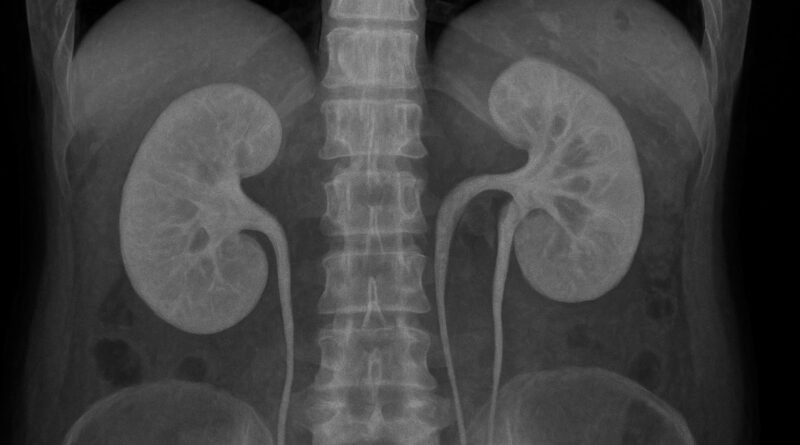
Normally, people have two kidneys, but in exceptionally rare individuals, a third, or supernumerary, kidney can be present. Even rarer is a horseshoe kidney, in which the lower poles of the kidneys are fused to form a ‘U’ shape. Yet the combination of both, a supernumerary kidney alongside a horseshoe shape, is extraordinarily rare. A new case report published in early December, titled “Rare case of triple kidney with horseshoe fusion,” represents exactly that.
In a new case report, the authors described a 63-year-old man who presented with persistent pain in the left lumbar region. As explained in the study, imaging revealed three kidneys.”Reporting such cases offers valuable insight into renal embryogenesis and its clinical significance,” they wrote.
The authors are Salma El Aouadi, Basma Dghoughi, Soukaina Bahha, Ouaim Taibi, Ola Messaoud, Omar El Aoufir, Laila Jroundi, and Zaynab Iraqi Houssaini, all from the Emergency Radiology Department, Ibn Sina University Hospital, Mohammed V University, Rabat, Morocco.
Six months of follow-up
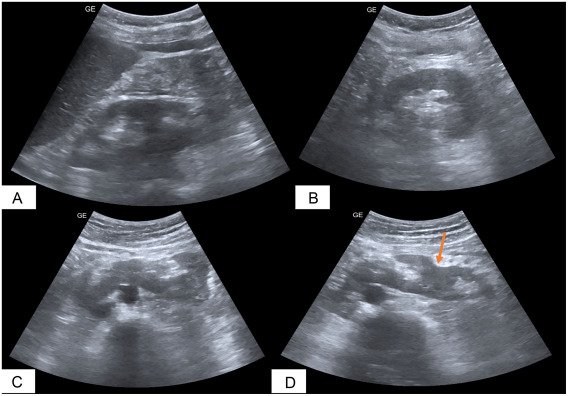
The patient, a 63-year-old man with no significant medical history, presented with persistent pain in the left lumbar region. Ultrasound examination revealed a central horseshoe kidney and two additional kidneys in the left renal fossa, which appeared partially fused, raising suspicion of a complex congenital anomaly. All kidneys showed preserved function, with a few non-obstructive stones (they don’t block the flow of urine, but they can cause infections). Treatment was conservative, including analgesics, hydration, and advice to prevent stone formation. After six months of follow-up, the patient remained completely symptom-free, with stable kidney function.
The complexity of the human body
This case is not just a medical curiosity. It helps us better understand how the kidney forms and develops, demonstrates the complexity of the human body, and highlights the importance of precise imaging for proper diagnosis and planning of potential interventions. Such rare cases inspire both scientists and doctors, as they provide insight into developmental processes that would otherwise remain hidden.
“This case is noteworthy because it illustrates the exceptional coexistence of a supernumerary kidney with a horseshoe configuration, a combination rarely documented in the literature, thereby adding valuable insight to the spectrum of renal fusion anomalies,” they concluded.
AI-generated image
