


Has political violence in the United States had a negative impact on your sleep?
A new study suggests that political violence in the United States is not only a social and political issue, but also one that affects something essential: sleep. In a nationally representative survey, more than 36% of adults reported that political violence has had a negative impact on their sleep.
The study “The Impact of Political Violence on Population Sleep Health in the United States: Representative Population Research from the National Sleep Foundation” was authored by Joseph M. Dzierzewski, Natalie D. Dautovich, Alexander J. Erickson, and Spencer A. Nielson of the National Sleep Foundation, Washington, District of Columbia, USA.
They included 1,448 adults in the United States and was conducted by the National Sleep Foundation between September 17 and October 5, 2025. Data were collected through Ipsos Public Affairs. Participants were asked whether political violence in the United States had negatively affected their sleep, alongside the standardized Sleep Health Index, which measures sleep quality, duration, and sleep disorders. As they explained in the study, respondents were excluded if they did not answer the political violence question.
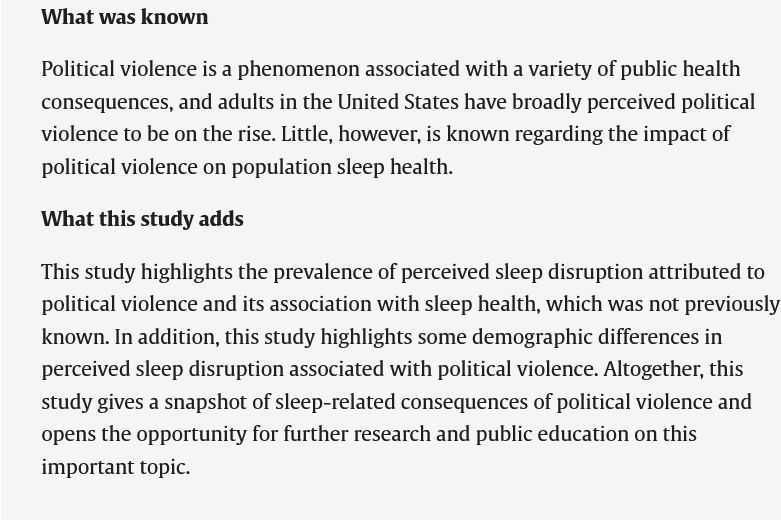
“…While the impact of some widespread public events, like elections on sleep is becoming better understood, the effect of other broad economic, cultural, and societal events, such as political violence is not well established….Political violence has been defined as “the deliberate use of power and force to achieve political goals” and represents a phenomena that can impact public mood. A staggering 85% of American adults recently reported that politically motivated violence is increasing. At an individual level, political violence is associated with poor mental health, including increased symptoms of depression, anxiety, and post-traumatic stress disorder. Few studies have examined sleep, broadly, within the context of political violence; none in samples drawn from the United States.” Dzierzewski JM et al.
36% of adults believe political violence negatively affects their sleep
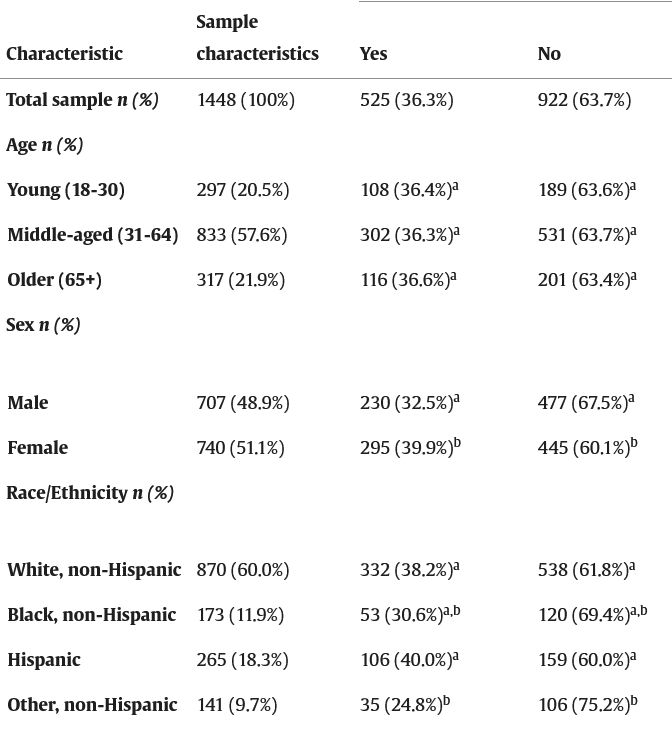
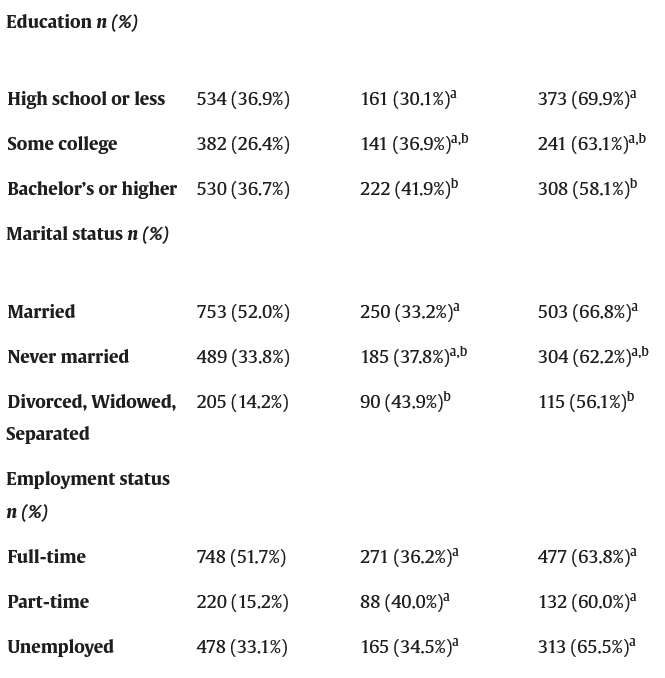
The results show that 36% of adults believe political violence negatively affects their sleep. This proportion was not evenly distributed across the population: women, college-educated individuals, and unmarried adults were more likely to report a negative impact. No differences were observed by age, employment status, or the presence of children in the household. Across ethnic groups, there were no differences between White, Black, and Hispanic respondents, but the group labeled “non-Hispanic other” more frequently reported sleep disruption linked to political violence.
Has political violence in the U.S. had a negative impact on your sleep?
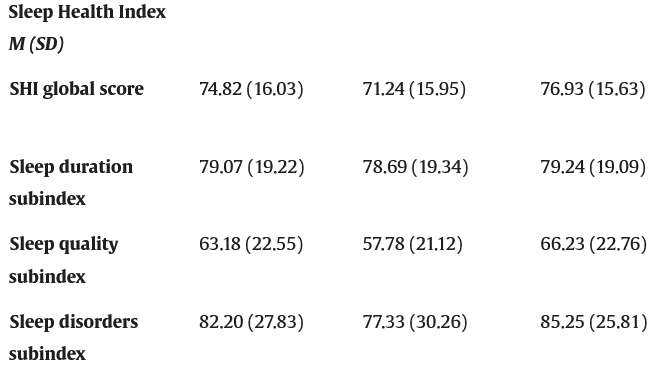
People who reported that political violence affected their sleep showed worse outcomes on overall sleep health scores: global score 71.24 vs. 76.93 in others, sleep quality 57.78 vs. 66.23, and sleep disorder scores 77.33 vs. 85.25. However, sleep duration did not differ between the groups.
The authors link these findings to the idea that large-scale social events can shape a so-called “public mood,” where political and social stress spills over into individual psychological states. They also note that the results are based on self-reported data without objective sleep measurements, and that “political violence” was not defined for respondents, meaning it may have been interpreted differently by different participants.
Further research is needed
“However, several limitations warrant consideration. Objective sleep measures (e.g., diaries, actigraphy) were not included, and unmeasured variables, such as stress, may have influenced the findings. A key caveat is that political violence was not explicitly defined for participants, leaving ambiguity in how respondents interpreted the term. Additionally, results should be understood within the sociopolitical context in which the survey was conducted, which, for this survey, was fall of 2025. Caution should be exercised when generalizing the findings of this study to other time periods, settings, or populations,” they explained.
The study states that further research is needed to better understand the broad effects of disruptive and potentially harmful large-scale social events, including violent sociopolitical events, and to identify strategies that could reduce their impact on sleep health.
Image: National Sleep Foundation
