


When an Antibiotic Changes Mood
Metronidazole has been known for decades as a reliable medicine for certain bacterial infections. But in one woman, it caused something completely unexpected: sudden episodes of crying, negative thoughts, and a drop in mood.
Antibiotics are usually associated with nausea, diarrhea, or other relatively well-known side effects. A new case report suggests that one commonly used antibiotic, metronidazole, can in rare circumstances also cause sudden changes in mood.
A case of metronidazole-associated mood changes was reported by Lamis R. Karaoui, Ahmad El Ouweini, and Walid R. Karaoui in their case report entitled Metronidazole-associated mood changes: A case report.
“Although metronidazole is generally well-tolerated, it can cause neurological adverse effects… less than ten manic episodes have been reported with metronidazole.”Karaoui et al.
The woman suddenly started crying and experiencing negative thoughts
A 55-year-old woman presented to a doctor because of pain in the lower left part of her abdomen. Imaging showed that she had uncomplicated sigmoid diverticulitis, an inflammation involving small pouches in the wall of the large intestine. She was prescribed a combination of ciprofloxacin and metronidazole. Two days later, her abdominal pain had already improved. But a new problem appeared.
“A 55-year-old woman presented to the outpatient gastroenterology specialty clinic with a two-day history of left lower quadrant abdominal pain. Upon review of systems and medical history taking, she denied any medical or pre-existing psychiatric problems. The patient did not report any pain, psychological stress or sleep disturbance. She was previously healthy, had three pregnancies resulting in three children. Her past surgical history was significant for a tonsillectomy and two cesarean sections. At the time of presentation (day 1), no associated fever, diarrhea, vomiting, or hematochezia were noted. On physical exam, the patient had a soft abdomen with a focal tenderness over the left lower quadrant. She is a housewife, a nonsmoker and reported no alcohol consumption or use of chronic medications.” Karaoui et al.
The woman suddenly started crying and experiencing negative thoughts… She had no previous history of psychiatric illness, did not report sleep problems or psychological stress, and did not have suicidal thoughts.
However, there was an important clue from her past.
Three years earlier, the woman had taken treatment for an infection with Helicobacter pylori. That treatment contained metronidazole but did not contain ciprofloxacin. At that time, she experienced very similar neuropsychiatric symptoms. After stopping the treatment, the symptoms disappeared.
This time, the doctors stopped both metronidazole and ciprofloxacin again and switched her to amoxicillin-clavulanic acid. Within 48 hours, the episodes of crying and negative thoughts had completely disappeared, and the patient returned to her usual mental state.
How does an antibiotic reach the brain?
Metronidazole is not a medicine that acts exclusively in the intestines. It can cross the blood-brain barrier and reach the central nervous system. Because of this, there are already reports of rare neurological complications associated with this drug. The exact mechanism is not fully understood.
The authors used the Naranjo scale, a standard tool that helps assess whether an adverse reaction is likely to be related to a particular drug. The patient received a score of 7, which corresponds to the category of a probable adverse drug reaction.
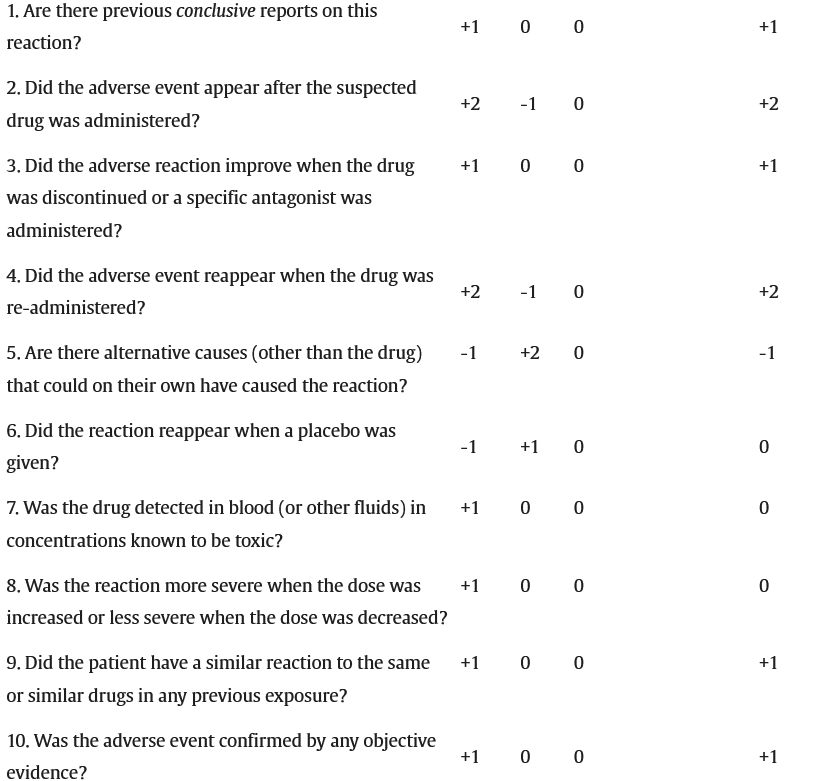
The result was supported by several facts: the symptoms appeared after starting the treatment, disappeared after stopping the drug. This is a case report, not a large clinical study. Therefore, it cannot show how often this type of reaction occurs or prove that it will happen to most people taking metronidazole.
“This is a case report of metronidazole-associated mood changes. A temporal and causal relationship of metronidazole-associated mood changes was established using the Naranjo probability scale. Although this adverse drug reaction is uncommon, clinicians should be vigilant about identifying and monitoring mood changes that may occur with metronidazole, particularly in patients with identified clinical risk factors, and promptly discontinuing the drug if such symptoms develop,” the authors concluded.
Image: Some Antibiotics are Riskier than Others, Center4Research.org
