

Irish Scientists Report First Known Case of Dual Trichosporon inkin Infection After Lung Transplant
A recent case report provides a rare and clinically significant insight into an invasive fungal infection in a patient following lung transplantation. It concerns a 60-year-old man who, six weeks after bilateral lung transplantation, developed the simultaneous presence of the fungus Trichosporon inkin in the pleural space and the bloodstream, a condition known as empyema with fungaemia. Such a combination has not previously been documented in the medical literature.
The case was reported by David M. Mannion, Assumpta Killarney, Nicola Ronan, Peter Riddell, Breda Lynch, and Margaret M. Hannan in their study titled “Trichosporon inkin empyema and fungaemia following bilateral lung transplantation: diagnostic and treatment challenges.”
“We describe what we believe to be the first reported case of T. inkin empyema, with concurrent fungaemia, in a bilateral lung transplant recipient. The case underscores the organism’s pleural tropism, the diagnostic pitfalls arising from cross-reactive fungal biomarkers, and the critical role of early species identification and azole-based therapy in achieving a favourable clinical outcome. Informed consent to publish was obtained from the patient.” Mannion et al., 2026, case report
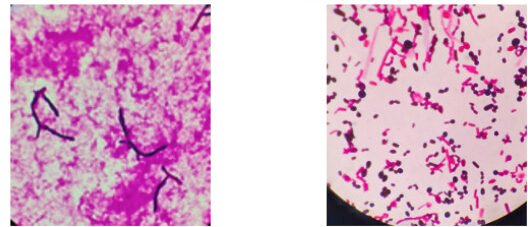
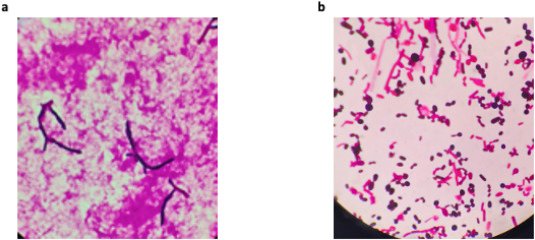
Patients who undergo organ transplantation are susceptible to opportunistic infections due to long-term immunosuppressive therapy. In this case, despite standard prophylaxis and a stable postoperative course, there was a sudden deterioration in the patient’s clinical condition, including shortness of breath, fever, and accumulation of fluid around the lungs. Further diagnostic work, including microbiological and molecular methods, confirmed the presence of a rare fungus that normally colonizes the skin and respiratory tract but can cause invasive disease in immunocompromised individuals.
The diagnosis was further complicated by known cross-reactivity in laboratory tests, which can lead to misinterpretation of results.
“More recent experience from a Spanish lung-transplant centre identified T. inkin infection in six recipients, with half presenting as empyema or surgical-site infection and the remainder with disseminated disease, among whom mortality reached 66%. These data suggest that while uncommon, T. inkin represents an emerging pathogen in the post-transplant setting and appears to exhibit tropism for the pleural space.” Mannion et al., 2026, case report
Treatment involved a combination of interventional drainage of the pleural space and administration of the antifungal drug voriconazole, which proved to be the most effective against this type of fungus. After adjusting the therapy and carefully monitoring drug levels in the blood, the patient showed clinical improvement and stabilization. This case highlights the importance of timely and accurate diagnosis, as well as targeted therapy in rare fungal infections. “Therefore, awareness of this emerging fungal pathogen is important amongst clinicians managing post-lung transplant patients,” the authors concluded.
