

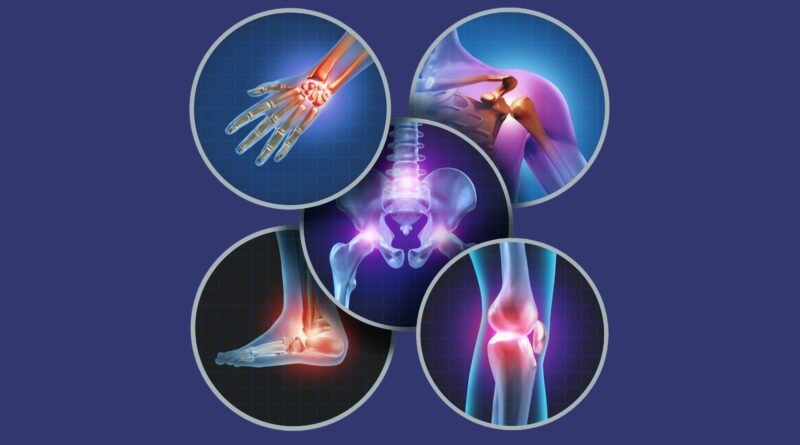
One Family, Three Different Faces of Yao Syndrome
A recently published study provides insight into an autoinflammatory disease through the story of a single family. This case highlights how the same genetic predisposition can lead to different clinical manifestations, even within the same family.
This case report, titled “Yao Syndrome: Report of 3 Cases with a Family History,” was described by Miran Rezhan, Galen T. Foulke, and Matthew F. Helm.
Imagine a disease in which the body, without any external trigger, turns against itself, causing recurrent episodes of fever, painful joints, persistent skin rashes, and gastrointestinal symptoms. This is the essence of Yao syndrome, a systemic autoinflammatory disease that has been described relatively recently. The NOD2 gene plays a key role in pathogen recognition and the activation of inflammatory responses. However, variants in this gene may be associated with dysregulation of inflammatory processes.
The same genetic predisposition leads to different clinical manifestations
The scientific report describes three members of the same family, a mother, daughter, and son, who all carry NOD2 gene variants but experience different forms of the disease.
The daughter (17 years old) presented with a classic picture of Yao syndrome, including recurrent fevers, arthritis, fatigue, and rashes that worsened with heat exposure. Her case was particularly severe, but she responded to treatment with canakinumab, a medication that targets interleukin-1 beta (IL-1β), a key molecule involved in the inflammatory process. Her positive response highlights the potential of targeted biological therapy in the management of YAOS.
The son (21 years old), although carrying a NOD2 variant also present in other family members, developed Crohn’s disease, an inflammatory bowel disease, along with pericarditis and high fevers. His treatment was directed toward controlling the symptoms of Crohn’s disease, demonstrating how clinical features may overlap and require an individualized therapeutic approach.
The mother (51 years old) experienced milder gastrointestinal symptoms, migratory rashes, and joint pain, including erythromelalgia, characterized by painful redness, a burning sensation, and swelling of the hands. Although she was also diagnosed with Yao syndrome, her treatment focused on symptom management. Her case emphasizes the importance of tailoring therapy according to the individual needs and characteristics of each patient.
One of the most important conclusions of this study is the promising response to canakinumab. This medication works by blocking IL-1β, a cytokine that plays a central role in inflammatory processes. The presented cases demonstrate that even within the same family, genetic findings alone are not sufficient to establish a diagnosis. Treatment strategies should be individualized and guided by the dominant symptoms and disease severity.
Image: Autoimmune vs Autoinflammatory Disease, Global Autoimmune Institute
