

Study Shows Hormones and Bacteria in Breast Milk Change Daily
The first author told Unknown Focus that storing breast milk at −80°C preserves hormones and bacteria, revealing its 24-hour dynamics.
Read More
The first author told Unknown Focus that storing breast milk at −80°C preserves hormones and bacteria, revealing its 24-hour dynamics.
Read More
We spoke with Lance B. Price, the lead author of the study and a professor of environmental and occupational health at George Washington University.
Read More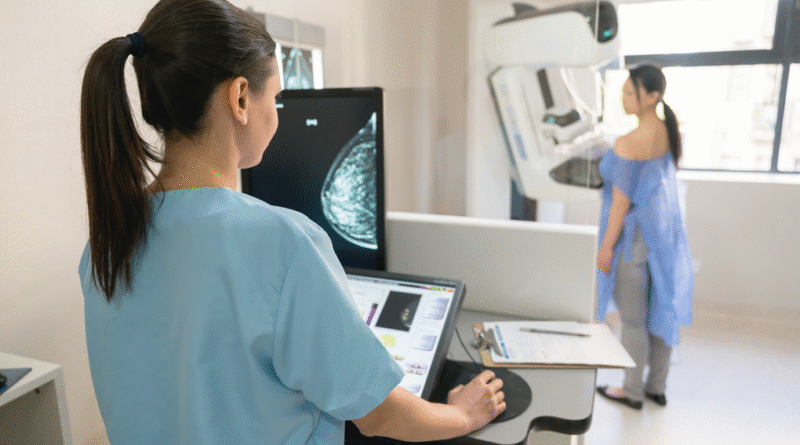
We spoke with co-author Fiona J. Gilbert, M.B.Ch.B, Professor of Radiology at the University of Cambridge, United Kingdom.
Read More
We spoke with Trisha Amboree, Ph.D., assistant professor in the MUSC Department of Public Health Sciences.
Read More
We spoke with Professor Claudia Allemani, Lead Author and Principal Investigator of the VENUSCANCER study.
Read More
We spoke with Professor Alessandro Sette, Dr. Biol. Sci., who co-led the study.
Read More
We spoke with the corresponding author, who offered advice on remembering information before bed.
Read More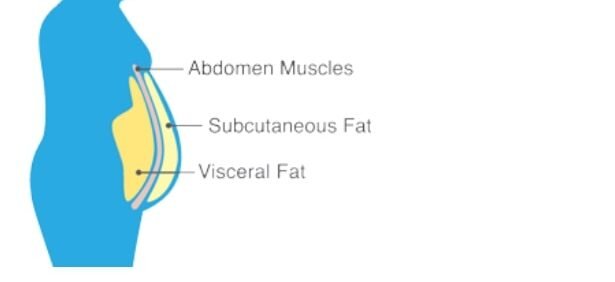
Lead study author Jostein Sæterstøl reveals its connection to tumor aggressiveness and metabolism.
Read More
Dr. Jukneviciene’s study highlights AI’s benefits and limits in patient prioritization, showing how it can support, but not replace, medical staff.
Read More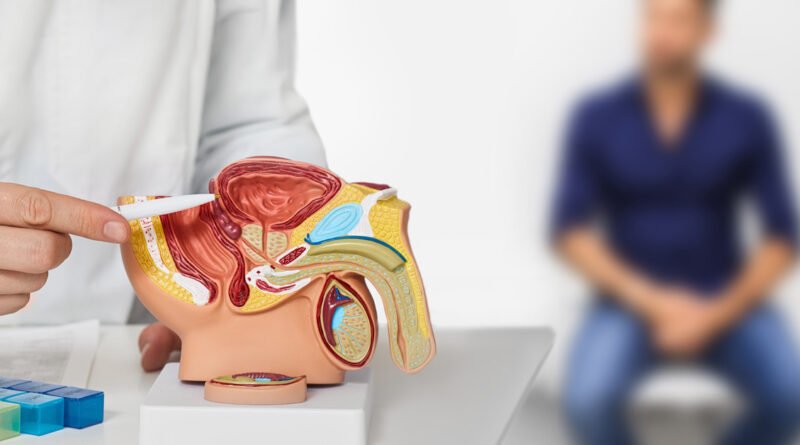
Associate Professor Kasivisvanathan, lead researcher and Chief Investigator on the trial from UCL, tells Unknown Focus that the PRIME trial frees up doctors’ time.
Read More
We spoke with study authors from the University of Pennsylvania about their new research linking food insecurity to long COVID.
Read More
Dr. Piotr Wozniak explains the impact of this condition and the options available for effective treatment.
Read More
Lead author Djuna von Maydell highlights potential next steps.
Read More
We asked the study’s senior author whether genetics plays a role in this case and what the next steps in the research will be.
Read More
Michelle Monje, a Stanford professor, told Unknown Focus what’s next for developing potential new therapies.
Read More