
Trust in Science Is More Than Just Evidence
Science and scientific evidence form the basis of many decisions, from choosing medical treatments and understanding climate change to assessing the safety of new technologies and developing public health measures. However, trust in science must be built, maintained, and, when damaged, regained.
Although trust in science is being discussed more and more, the nature of this trust itself is still not sufficiently explored. An analysis of leading science education journals shows that researchers often focus on one dimension of the issue, understanding scientific methods and the process of knowledge creation, while paying less attention to emotions, social relationships, and political contexts, which also influence how people perceive science. The review article “How Science Education Research Journals Address (and Neglect) Trust in Science” was written by Sibel Erduran from the Department of Education at the University of Oxford, UK, and Kason Ka Ching Cheung from the Department of Curriculum and Instruction at The Education University of Hong Kong.
“Historically, science has earned trust through its methods, not only through rigorous testing but also peer review and open debate. When functioning properly, science is self-correcting. Errors are exposed, fraud is punished, and understanding evolves over time…The importance of trust in science has been recognised in the science education research community as exemplified by dedicated volumes of a particular journal on this theme in recent years. Yet there have not been any recent investigations of the content of major science education research journals to examine what and how they cover the issue of trust in science. In line with the aim of the special issue focusing on research published within the past 2 years, we focused on investigating the content of some major journals in science education research.” Erduran and Cheung (2025)
Researchers reviewed five leading international journals in the field of science education and analysed papers published between January 2024 and June 2025. Out of 116 articles that included the words “trust” or “mistrust”, only 17 directly addressed the issue of trust in science. “Data sources were 5 leading journals in science education research, which are classified as Quartile 1 journals in the field. These were Journal of Research in Science Teaching (JRST), International Journal of Science Education (IJSE), Research in Science Education (RISE), Science & Education (S&E) and Science Education (SE). The websites of each journal were searched with the key words ‘trust’ and ‘mistrust’ covering the period of 01/01/2024 to 30/06/2025. The word ‘mistrust’ was also used as it can potentially also capture any negative aspects of lack of trust in science. ‘Mistrust’ and ‘distrust’ are often used interchangeably, although ‘mistrust’ typically refers to a general sense of unease and suspicion, whereas ‘distrust’ is more specific. In our search, we used ‘mistrust’ as it is a term that is broader in scope than ‘distrust’,” they explained.
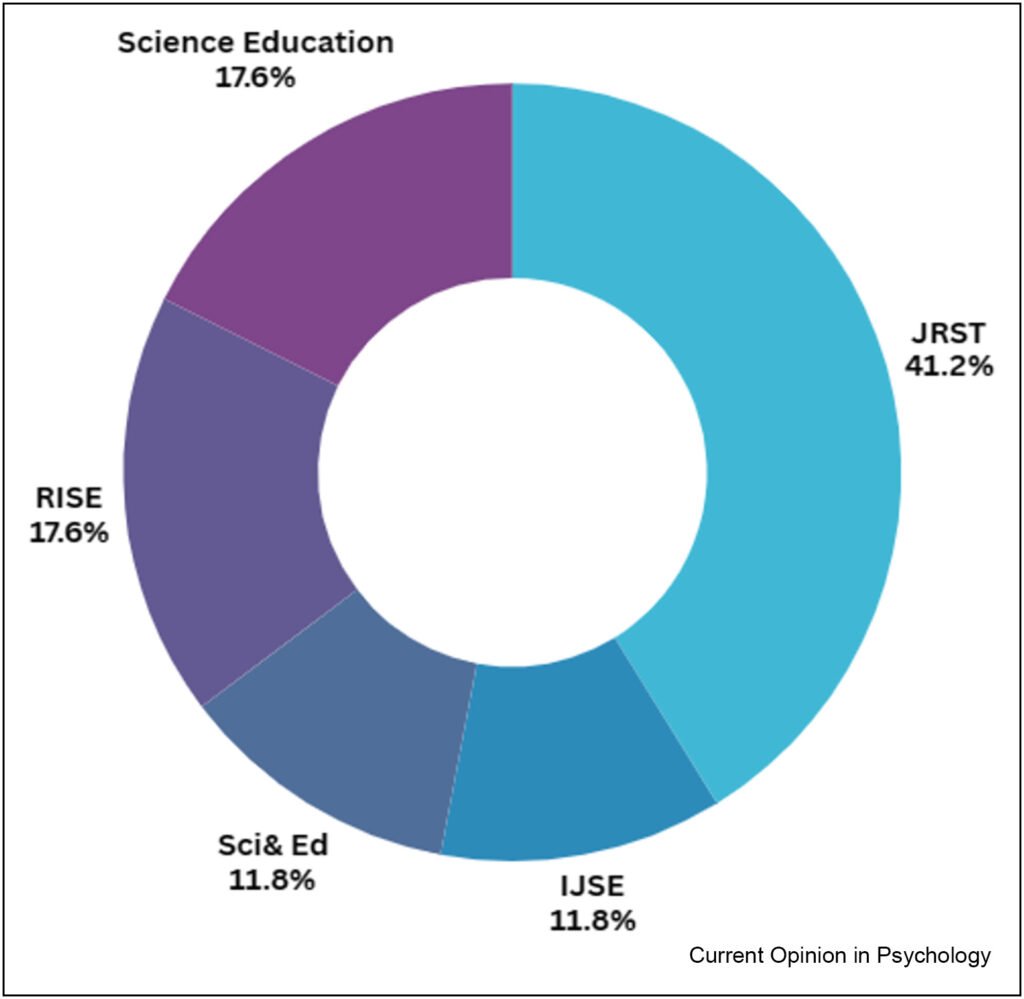
This small number shows that many studies mention trust but rarely define it clearly. Without a clear understanding of what trust actually means, it is difficult to develop educational strategies that could help people better understand science.
People may trust science because they understand that scientific claims are based on evidence, experiments, peer review, and open discussion. However, trust is not only an evaluation of evidence. Trust is shaped by emotions, experiences, social relationships, and personal values.
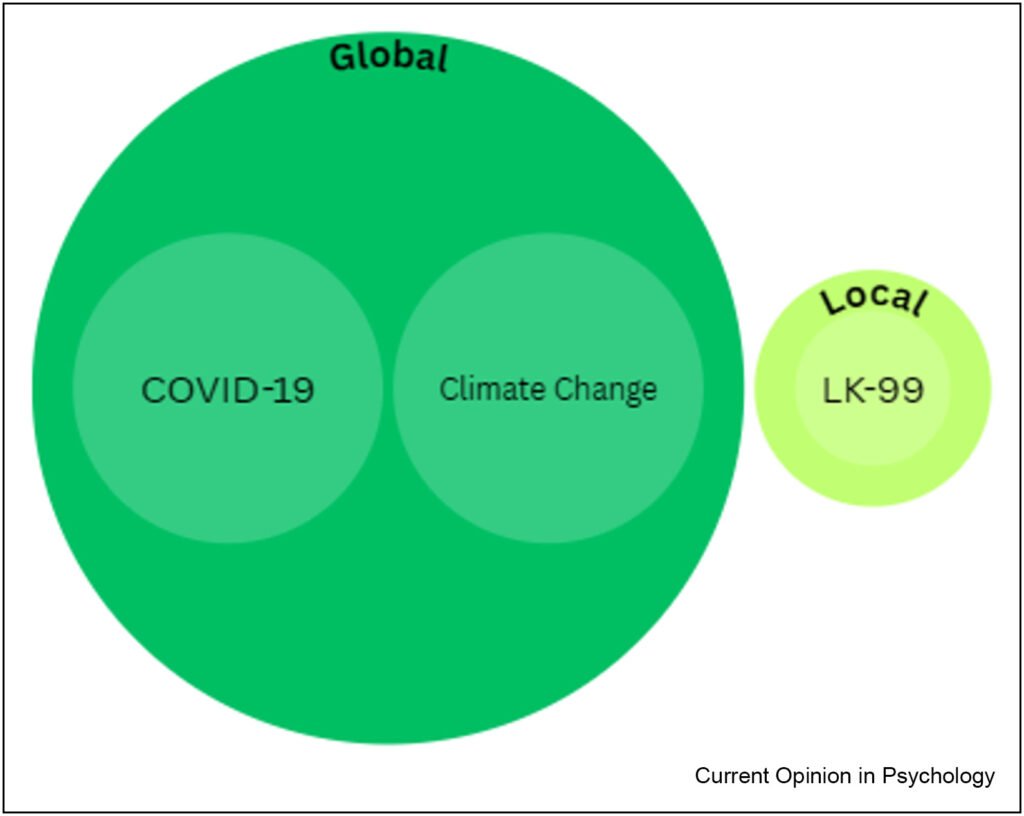
“In terms of the socio-scientific topics covered in the articles, there was a disproportionate emphasis on global versus local issues with an overwhelming emphasis on Covid-19 (n = 4) and climate change (n = 4) in the abstracts. Interestingly, one of the papers discussed public trust in a local scientific issue related to discovery of LK-99 as a superconductor in Korea. The issue of trust was thus often contextualised in relation to global issues, while locally specific issues related to trust in science was virtually absent although the local social and cultural factors were taken into account, such as specific religiosity or political orientations of participants.” Erduran and Cheung (2025)
This became especially clear during the COVID-19 pandemic. When recommendations changed as new information became available, some interpreted this as a sign of uncertainty or incompetence. Scientists, however, viewed changing opinions as a normal part of the scientific process, when new evidence appears, conclusions can be adjusted. A similar challenge exists with climate change. If someone believes that science is connected to political interests or economic pressures, they may begin to question scientific conclusions themselves.
For this reason, trust in science cannot be understood only through the amount of knowledge people have. A person may understand the scientific process and still reject certain conclusions because of cultural, religious, or political beliefs. This creates an important challenge for education. Science classes often focus on facts, laws of physics, biological processes, or chemical reactions.
Providing professional development opportunities for science teachers is a matter of urgency for science education
Students should learn that science is a process through which people try to explain the world as accurately as possible based on available evidence. They should also discuss how science functions within society, how misunderstandings develop, and why trust depends on the relationship between scientists, institutions, and the public. Scientists and institutions must be accountable for mistakes, conflicts of interest, and the misuse of knowledge. A particular issue highlighted by the research is the lack of attention given to teachers.
Although they are the key between science and future generations, little is known about how teachers understand trust in science and how they try to develop it among students. “A notable shortcoming in the literature is the exploration of how teaching of trust in science can be enhanced. Our search did not yield any investigations about science teachers’ views of trust in science, their pedagogical approaches to instilling trust in their students or indeed their own attitudes towards trust in science. Considering the relatively novel aspect of the theme of “trust in science” for science teachers, providing professional development opportunities for science teachers is a matter of urgency for science education. Research on science teacher education can be prioritised in future studies to ensure that effective pedagogical strategies can be identified and disseminated more widely across the teaching workforce,” the authors concluded.
