

Two Cases from Japan Provide New Clues About Ehrlichia canis
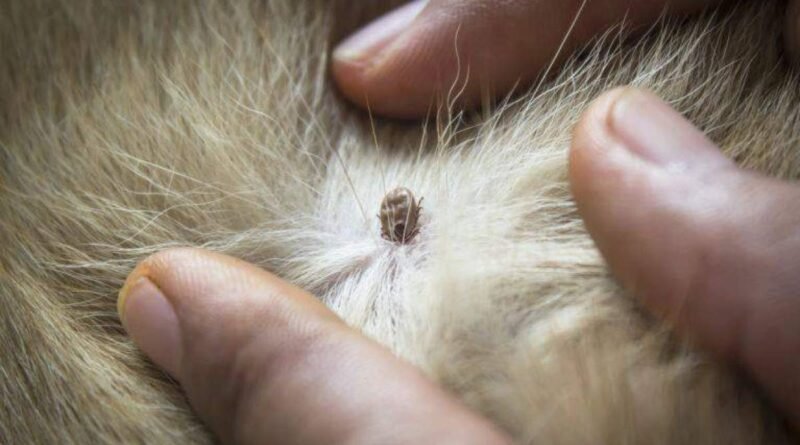
Two dogs in Japan were the focus of a recent study that provides the first molecular characterization of genetic variants of Ehrlichia canis found in dogs in the country. E. canis is an obligate intracellular bacterium in the family Anaplasmataceae and the causative agent of canine monocytic ehrlichiosis (CME), a tick-borne disease of importance in veterinary medicine. The disease can take different forms, from an acute febrile illness to chronic pancytopenia. Its main known vector is the brown dog tick, Rhipicephalus sanguineus sensu lato. Although E. canis had been reported in Japan before, most earlier reports concerned dogs imported from endemic areas.
The first confirmed domestic case in a dog with no history of travel to an endemic area was identified in 2020. The new study examined that case together with a second case diagnosed in 2023. The researchers aimed to characterize the bacterium genetically and to explore how the infections might have occurred.
Japanese researchers Masakatsu Taira, Kyuzo Tamai, Hirotaka Igarashi, Akiko Okutani, Keita Ishijima, Masaharu Hisasue, and Ken Maeda described the cases in detail in their study, “Genetic variants of Ehrlichia canis detected in two dogs in Japan.”
Two Cases from Japan Reveal Genetic Diversity in Ehrlichia cani
The first dog was an eight-year-old mixed-breed male from Tokyo. It occasionally travelled to Shizuoka Prefecture. A tick or mite infestation had been recorded about three months before the dog was examined. In 2020, it underwent a splenectomy because of persistent thrombocytopenia and hyperglobulinemia. After the operation, PCR testing detected E. canis DNA in a blood sample, and the dog was treated with doxycycline. During long-term follow-up, the disease did not return, and later PCR tests were negative.
The second case was a nine-year-old spayed female Toy Poodle from Tokyo. Although the dog lived indoors, it regularly visited a rural area in Ibaraki Prefecture, usually at weekends. It had never travelled abroad or to western Japan, and its owner reported using tick prevention throughout the year. The dog nevertheless developed anemia and thrombocytopenia, together with increased globulin and C-reactive protein levels. Real-time PCR detected E. canis DNA. After two months of doxycycline treatment, the dog’s clinical condition and blood values improved.
The researchers extracted DNA from preserved spleen tissue from the first dog and from a blood sample from the second
To study the genetic characteristics of the bacterium, the researchers extracted DNA from preserved spleen tissue from the first dog and from a blood sample from the second. They used PCR to examine four genes: 16S rRNA, groEL, p28, and trp36. Sequencing and phylogenetic analysis showed that the 16S rRNA and groEL sequences from both Japanese cases were identical to sequences found in many E. canis strains reported from other countries. These two genes are highly conserved and are therefore useful for identifying the species, but less useful for distinguishing between closely related variants. The p28 and trp36 genes showed considerably more variation.
The most unusual finding came from the dog diagnosed in 2023. Its trp36 sequence contained seven tandem repeats of a previously unreported 26-amino-acid repeat sequence. This sequence differed from one previously found in isolates from Colombia, Peru, and Turkey. This finding represents a new trp36 tandem-repeat variant. The results suggest that E. canis found in dogs in Japan is not genetically uniform. The sequence from the 2020 case belonged to a previously described genogroup found in different parts of the world, while the 2023 case contained the novel trp36 variant. The presence of these genetically distinct variants could reflect several independent introductions of the bacterium into Japan or genetic diversification within the country.
It is unclear how the two dogs became infected
It is also still unclear how the two dogs became infected. The principal vector of E. canis, R. sanguineus sensu lato, has mainly been reported in southwestern Japan, while its presence in the Kanto region, where both dogs lived, has not been documented in this context. The authors therefore raise the possibility that undetected populations of this tick may exist in the area, or that other tick species could be involved. The study does not identify a specific vector or establish where transmission took place.
The study is limited by the small number of cases, the lack of direct evidence about the geographic origin and route of infection, and the fact that the phylogenetic analyses were based on individual genes rather than whole genomes. Further studies of dogs and ticks, together with whole-genome sequencing, will be needed to clarify how E. canis is spreading in Japan. Despite these limitations, the research provides the first molecular evidence that genetically distinct E. canis variants occur in dogs in Japan and underlines the need for continued molecular and epidemiological surveillance.
Image: New Tick Disease is Killing Our Dogs, Roper Gulf Regional Council
