
Two Cases from Japan Provide New Clues About Ehrlichia canis
Two dogs with no travel history have given researchers new clues about Ehrlichia canis and how genetically distinct strains may be circulating in Japan.
Read More
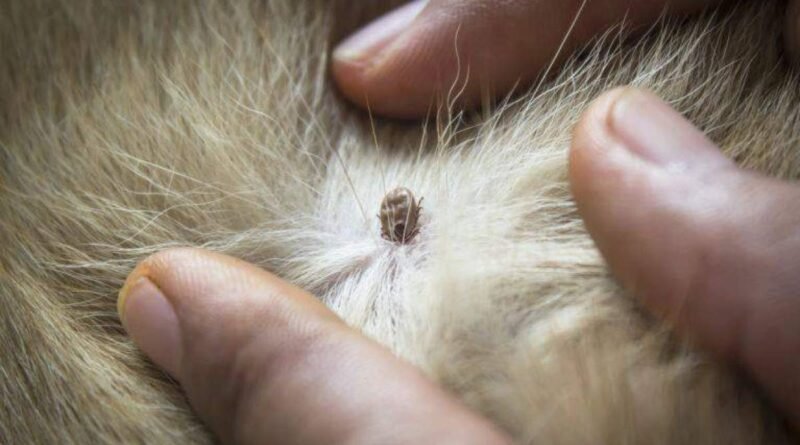
Two dogs with no travel history have given researchers new clues about Ehrlichia canis and how genetically distinct strains may be circulating in Japan.
Read More
While dogs are generally kept under control, cats are often allowed to roam freely. New research highlights a mismatch between their impact on biodiversity and how we regulate them.
Read More
According to Four Paws (2024), around 2.4 million dogs enter the Western European pet market each year from Eastern European breeding establishments, while at the same time the number of abandoned dogs continues to rise.
Read More
Even for something as common as a dog’s sniffing, the underlying physiological and behavioral responses are more complex than they may seem at first glance
Read More
We spoke with Timothy L. Edwards, corresponding author of the study, and director of the University of Waikato’s Scent Detection Research Group.
Read More
New research suggests that specially trained dogs can detect hemangiosarcoma, a highly aggressive and often fatal cancer of blood vessels, in blood samples from other dogs.
Read More
For the first time in Ukraine, veterinarians have confirmed a case of canine hepatozoonosis, a tick-borne disease caused by the protozoan Hepatozoon cani
Read More
Study author Courtney Sexton shares insights from a Dog Aging Project study of 47,444 dogs.
Read More