
Humanos prestan atención, los elefantes responden
Hablamos con el autor principal de la Universidad de Kioto sobre el primer estudio que demuestra que los elefantes asiáticos pueden percibir la atención humana.
Read More
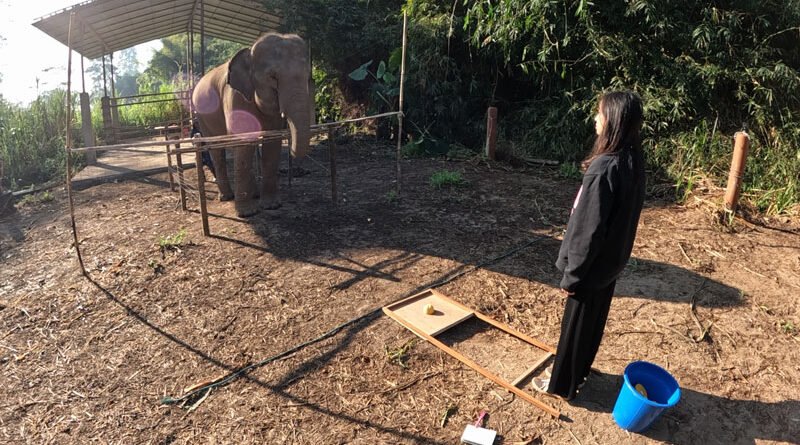
Hablamos con el autor principal de la Universidad de Kioto sobre el primer estudio que demuestra que los elefantes asiáticos pueden percibir la atención humana.
Read More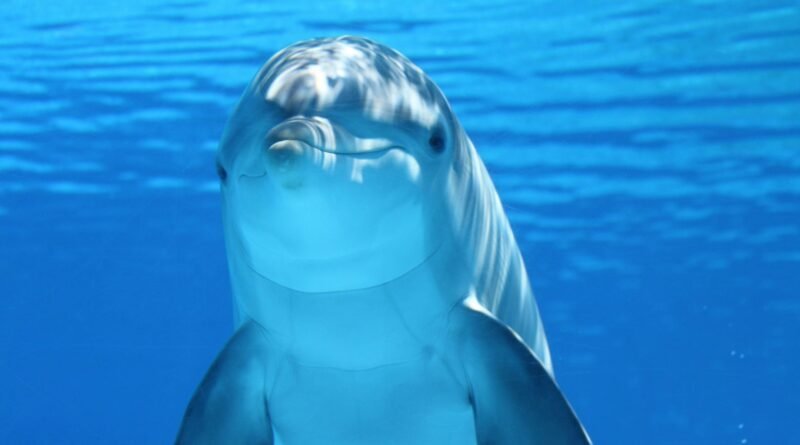
Japanese researchers report the first case of P. bovis, an alga previously linked to cows, in a dolphin, highlighting the importance of the One Health approach.
Read More
A new study has shed light on how cats cope when moved from outdoor to indoor living, and how their owners experience the transition.
Read More
We spoke with the lead author of the study examining how EU investments affect citizen trust and rural life, discussing findings from Mario Draghi’s report, study limitations, and the importance of fostering social unity across Europe.
Read More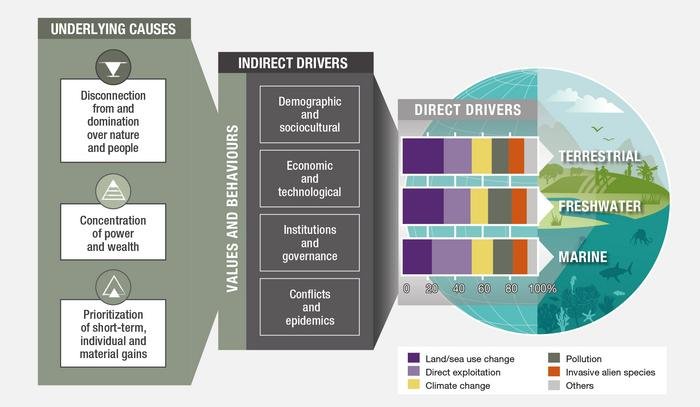
We spoke with Dr. Anne Larigauderie, former Executive Secretary of the Intergovernmental Platform on Biodiversity and Ecosystem Services.
Read More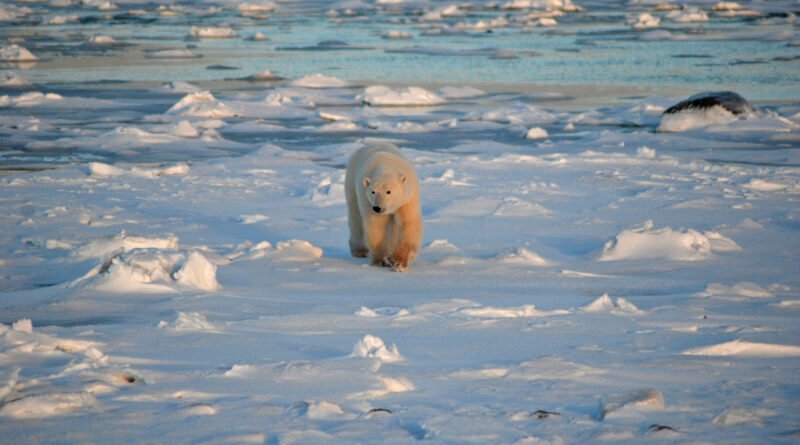

New research shows that over 70% of coral reefs in the TWA may stop growing by 2040. Corresponding author Professor Perry tells us more.
Read More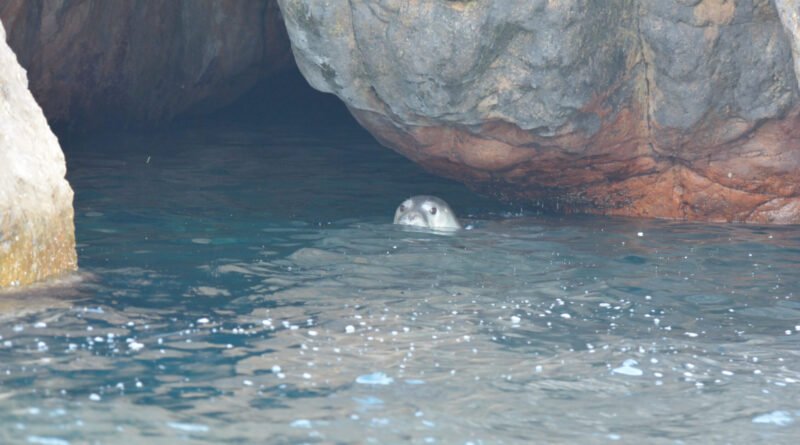
We spoke with the author of the first study of Mediterranean monk seals on Gökçeada Island, highlighting their behavior and local pride in living alongside them.
Read More
Explore Canada’s wildfire challenges with insights from Robin Gregory and BC as a case study.
Read More
We spoke with Kyoto University’s lead author about the first study showing Asian elephants can sense human attention
Read More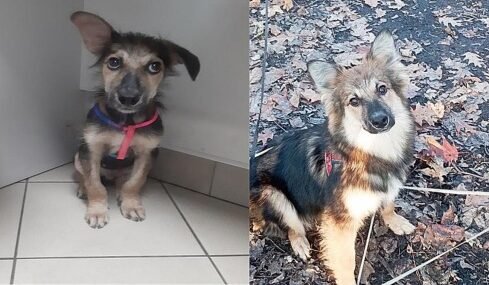
For the first time in Ukraine, veterinarians have confirmed a case of canine hepatozoonosis, a tick-borne disease caused by the protozoan Hepatozoon cani
Read More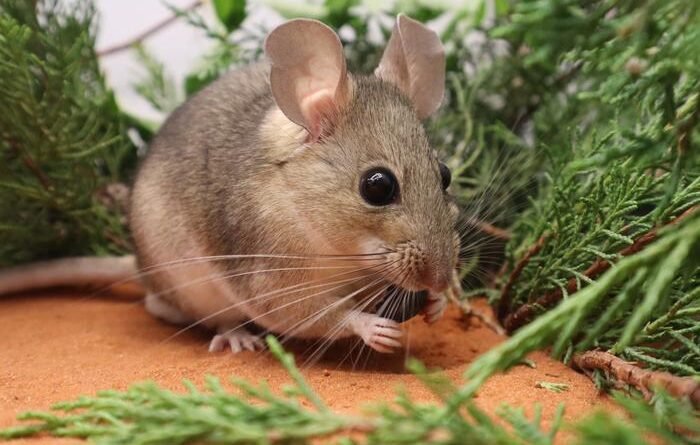
We asked the corresponding author what their diets can tell us about evolution and the potential development of antitoxins.
Read More
We spoke with French scientists on the importance of teddy bears and how they help children form emotional bonds with animals and nature.
Read More
Discover how a Madrid-based startup is transforming urban biodiversity management with innovative tech solutions. Meow Metrics and Zoometrics improve coexistence between humans and animals
Read More